Category: Blog
-

Former Nurse Declared Cancer-Free after pioneering HIPEC treatment.
A 60-year-old former nurse from Southampton has been declared free of cancer following hyperthermic intraperitoneal chemotherapy (HIPEC), a combined surgical and chemotherapy treatment for cancer which has spread within the abdominal cavity. The case, treated at University Hospital Southampton (UHS) and reported by BBC News, adds to the clinical experience supporting HIPEC in ovarian and…
-

Personalised mRNA Vaccine Shows Promise in Preventing Melanoma Return
Melanoma is one of the more aggressive forms of skin cancer, and patients with high-risk disease remain at risk of recurrence even after successful surgery. New results from a phase III trial suggest that may be about to change for some patients. Merck (known as MSD outside the US) and Moderna have announced that a…
-

Eye Cancer (Ocular Cancer): Types, Symptoms, Diagnosis, Treatment and Research Advances
Eye cancer, also known as ocular cancer, refers to a group of rare but potentially serious malignancies that develop within the eye or its surrounding structures. While uncommon, eye cancer presents unique clinical challenges due to its impact on vision, complex anatomy and potential for metastasis. For healthcare professionals, sponsors and clinical research organisations (CROs),…
-
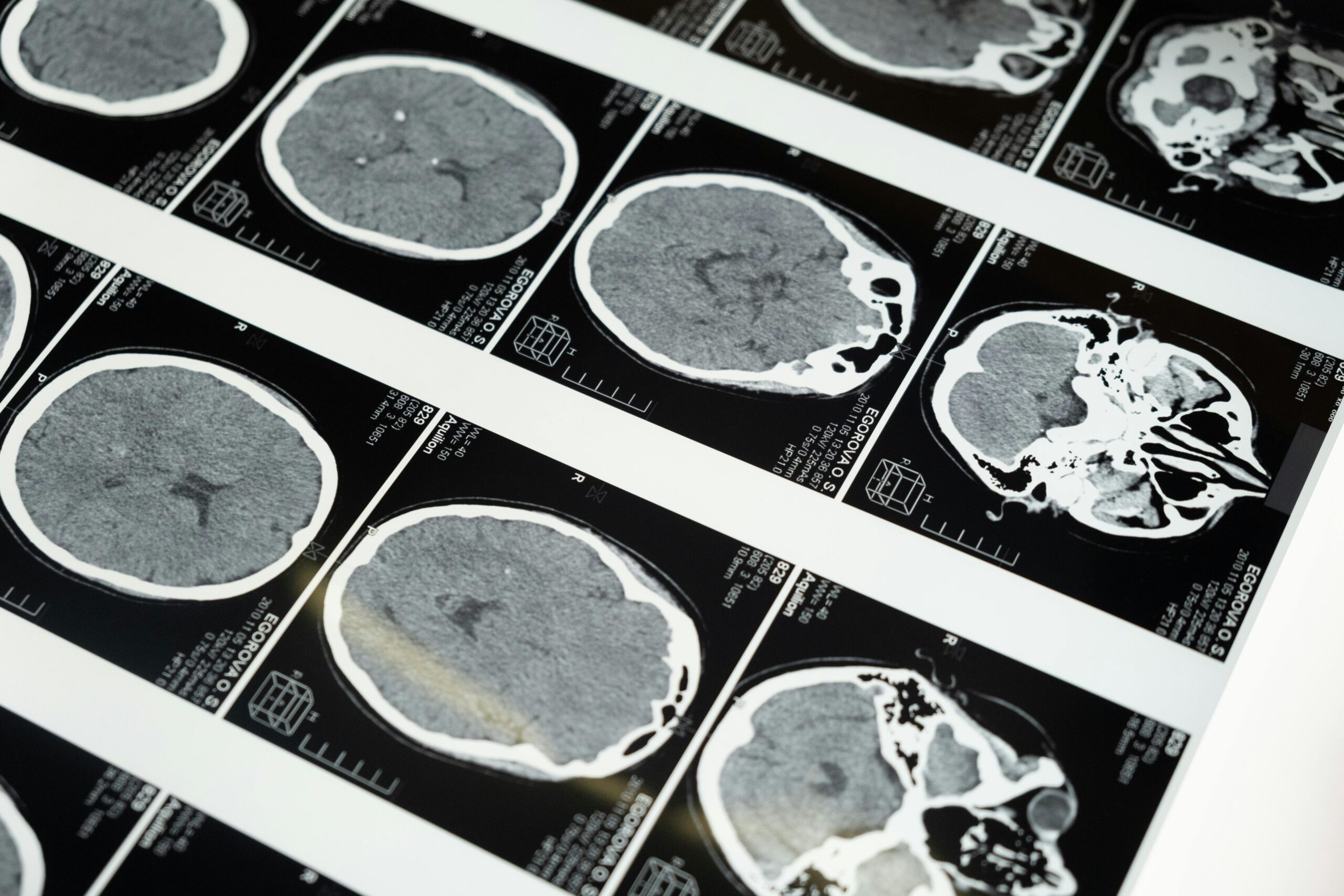
Brain Tumours: Understanding Types, Symptoms and Research in Rare Oncology
Brain tumours present a significant challenge in oncology, particularly in their malignant forms, where treatment options remain limited and outcomes can be poor. Despite ongoing advances in research, there is still a critical need to improve how these conditions are identified, understood and treated. Recognising the symptoms of brain tumours and understanding the different types…
-
Expanding Clinical Trials for Rare Cancers: A Must for NHS 2035 Targets.
The National cancer plan 2026 sets out one of the most ambitious shifts in UK oncology policy in a generation. Its headline aim is clear: by 2035, three in four people diagnosed with cancer in England should be cancer-free or living well five years after diagnosis, compared with around 60% today. Achieving that target will…
-
What is World Cancer Day and Why Does Clinical Oncology Research Make a Difference?
World Cancer Day, observed each year on 4th February, is a global initiative focused on raising awareness of cancer and accelerating action across prevention, diagnosis, treatment and research. For organisations working in clinical research and drug development, the day is also an opportunity to reflect on the progress made, and the work still required to…
-

What are Good Laboratory Practices (GLP) Guidelines, and Why Are They Important?
Good Laboratory Practice (GLP) is a set of criteria used to ensure quality assurance in non-clinical studies. GLP principles concern the organisational processes by which studies are planned, performed, monitored, recorded, reported, and archived. These guidelines support the integrity, reliability and traceability of safety data used for regulatory submissions. GLP is commonly applied in the…
-
Duchenne Muscular Dystrophy: Causes, Symptoms, Inheritance and Clinical Research
Duchenne muscular dystrophy (DMD) is a rare genetic disorder that causes progressive muscle weakness and wasting. It primarily affects males and is one of the most common and severe forms of muscular dystrophy. Understanding the causes, inheritance, and symptoms of Duchenne muscular dystrophy is essential for improving diagnosis, care, and advancing research into new therapies.…
-

How does AI-enabled causal modelling support discussions with potential investors?
Welcome back to our blog series where we share some of the highlights and key takeaways from our fireside chat with CEO of Simbec-Orion, Fabrice Chartier, and CEO of biotx.ai, Joern Klinger. Our last blog post covered what AI-enabled causal modelling is, how it is different from other models, and where you might want to…
-

Can early utilisation of AI-enabled causal modelling de-risk and accelerate clinical development?
Can early utilisation of AI de-risk and accelerate clinical development for drug developers? Recent announcements suggest large pharma companies are betting big on AI. AstraZeneca recently announced a $247 million deal with an AI vendor to support identifying new oncology drug candidates[1]. Sanofi has announced a collaboration with two separate AI vendors, worth up to…