












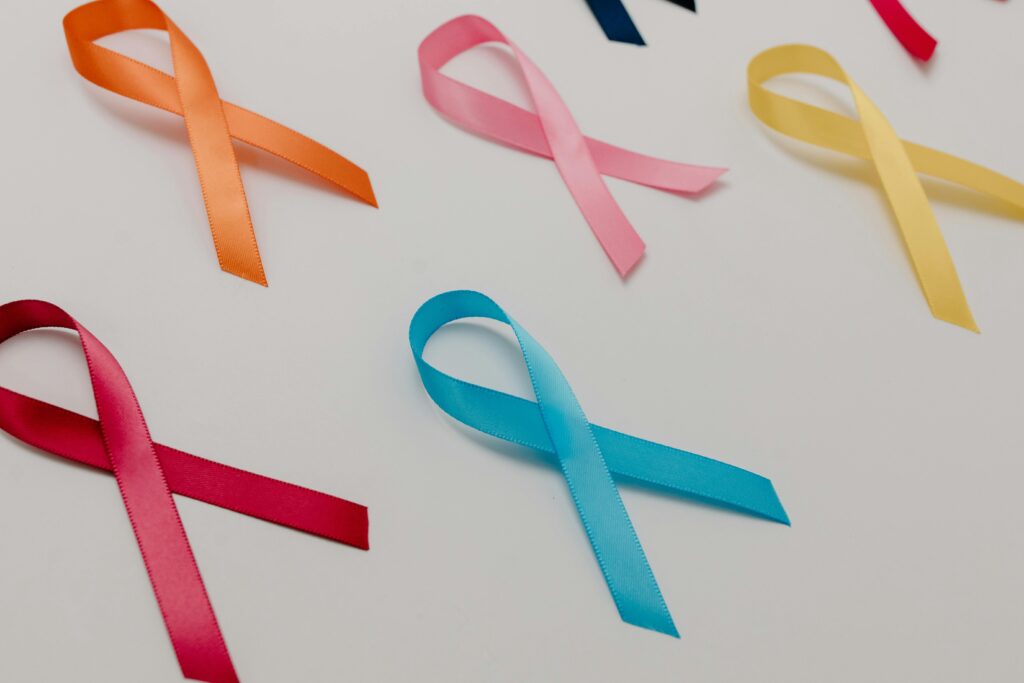

World Cancer Day, observed each year on 4th February, is a global initiative focused on raising awareness of cancer and accelerating action across prevention, diagnosis, treatment and research. For organisations working in clinical research and drug development, the day is also an opportunity to reflect on the progress made, and the work still required to improve outcomes for people affected by cancer worldwide.
What is World Cancer Day?
World Cancer Day is an international awareness day led by the Union for International Cancer Control (UICC). It brings together governments, healthcare professionals, researchers, industry and patient communities to address the global cancer burden through education, advocacy and collective action.
Each year, World Cancer Day highlights a shared commitment to reducing inequalities in cancer care and supporting advances that lead to earlier diagnosis, more effective treatments and improved quality of life for patients.
The Importance of World Cancer Day
Cancer remains one of the leading causes of death globally, with its impact extending far beyond physical health to affect families, communities and healthcare systems. World Cancer Day plays an important role in:
- Reinforcing the value of prevention and early detection
- Promoting access to diagnosis and treatment
- Encouraging sustained investment in research and innovation
- Keeping people living with cancer at the centre of care
For the research community, the day serves as a reminder that progress depends on long-term collaboration, scientific rigour and patient-focused approaches across the entire development pathway.
Clinical Trials and Cancer Research
Clinical trials are fundamental to advancing oncology care. They enable new therapies, combinations and treatment strategies to be evaluated safely and effectively, translating scientific discovery into real-world clinical benefit.
Cancer trials are becoming increasingly complex, often involving targeted therapies, biomarker-driven populations and adaptive study designs. Delivering these studies successfully requires specialist expertise, robust infrastructure and close collaboration between sponsors, investigators and patients.
Well-designed clinical trials not only generate high-quality data but also help ensure that emerging treatments are developed with patient needs, safety and accessibility in mind.
Innovations in Cancer Research
Recent years have seen significant innovation across oncology research, driven by advances in technology and biological understanding. Key areas of progress include:
- Precision medicine, using genetic and molecular profiling to tailor treatments
- Immuno-oncology, harnessing the immune system to target cancer cells
- Advanced diagnostics, enabling earlier and more accurate detection
- Decentralised and patient-centric trial approaches, improving accessibility and participation
These innovations are reshaping how cancer is studied and treated, offering new possibilities for improved outcomes across a wide range of tumour types.
The Future of Oncology
The future of oncology will be shaped by increasingly personalised therapies, smarter trial designs and closer collaboration across the clinical research ecosystem. As scientific understanding of cancer deepens, development programmes are becoming more targeted, data-driven and patient-focused, requiring specialist operational expertise to deliver them effectively.
As a responsive, full-service CRO, Simbec-Orion supports oncology development from first-in-human studies through to Phase III. With extensive experience across early and later-phase trials, our teams are structured to deliver flexible, scalable solutions tailored to the specific needs of small and mid-size drug developers.
Looking ahead, progress in oncology will rely not only on scientific breakthroughs, but on the ability to execute trials efficiently, ethically and collaboratively. Stable, experienced teams, transparent communication and a commitment to delivery are essential to navigating evolving regulatory landscapes and accelerating the development of innovative cancer therapies.