












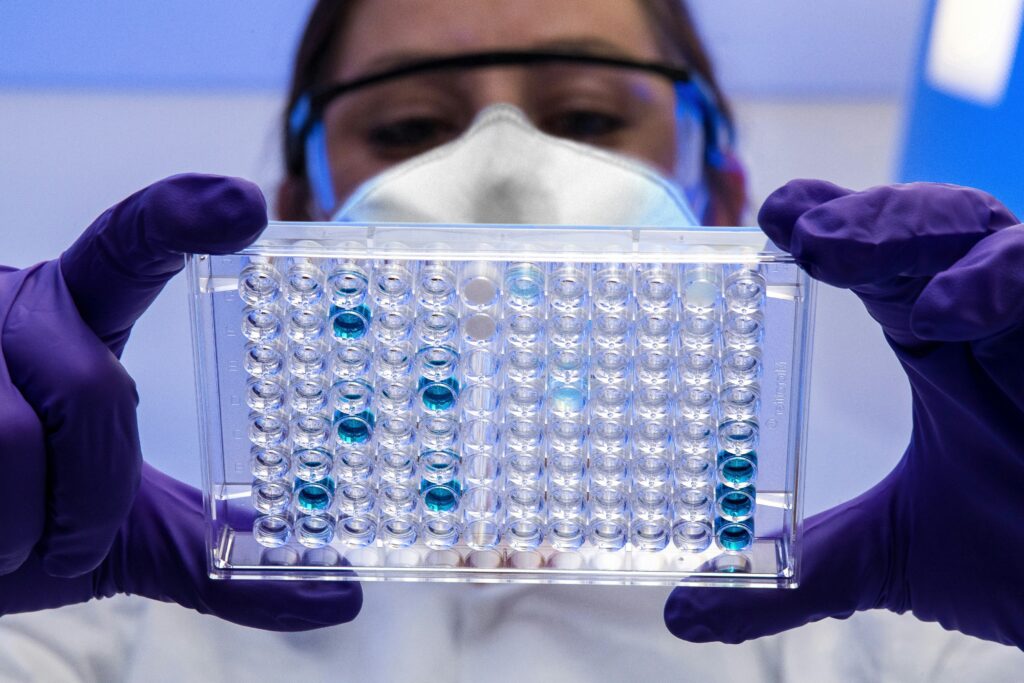

Rare Disease Day 2026, observed on 28 February, highlights the ongoing need to improve access to timely diagnosis, effective treatment, and appropriate care for people living with rare and ultra rare diseases. Marked annually on the last day of February, the campaign brings together patients, clinicians, researchers, and policymakers to address the systemic challenges that continue to affect rare disease communities worldwide.
For clinical research organisations and healthcare partners, Rare Disease Day is a timely opportunity to reflect on how research, collaboration, and patient-centred trial design can help translate awareness into meaningful progress.
What is Rare Disease Day?
Rare Disease Day was established in 2008 by EURORDIS – Rare Diseases Europe and its Council of National Alliances as an international awareness campaign dedicated to rare diseases. Since its inception, the campaign has expanded globally, with thousands of events now taking place across more than 100 countries each year.
The campaign aims to increase understanding of rare diseases among the general public while encouraging decision-makers to prioritise rare conditions within healthcare systems, research funding and public policy.
In the UK, Rare Disease Day is organised by Genetic Alliance UK, which coordinates national activity and engagement across patient organisations, healthcare professionals, and policymakers.
The Importance of Rare Disease Day
The importance of Rare Disease Day becomes clear when considering the scale and complexity of rare diseases worldwide:
- There are over 6,000 identified rare diseases
- Around 72% of rare diseases are genetic
- Approximately 70% of genetic rare diseases begin in childhood
- In the UK alone, around 3.5 million people are affected
Despite 300 million people globally living with a rare disease, many people living with rare diseases experience long diagnostic journeys, limited treatment options and fragmented care pathways. Delays in diagnosis can span years, during which patients may receive inappropriate treatments or lack access to specialist care.
Rare Disease Day plays an important role in keeping these challenges visible and supporting informed discussion around healthcare delivery, research priorities and policy development.
Rare Disease Research: Turning Awareness into Action
Rare disease research is central to improving outcomes for patients. Advances in genomics, biomarkers and data-sharing initiatives have transformed understanding of many rare conditions, enabling earlier diagnosis and more targeted therapeutic approaches.
However, clinical research in rare and ultra-rare diseases presents distinct challenges. Small and geographically dispersed patient populations, limited natural history data and high unmet medical need require carefully designed studies and specialist operational expertise.
As drug development continues to evolve across rare and complex diseases, initiatives such as Project Optimus are influencing early-phase trial design, while advances in cell therapies, including emerging CAR T-cell approaches, continue to show how innovation can translate into meaningful patient outcomes.
Clinical research contributes to progress by:
- Supporting earlier and more accurate diagnosis
- Enabling the development of innovative and targeted treatments
- Generating robust evidence to support regulatory and reimbursement decisions
- Informing long-term care pathways and clinical guidelines
On Rare Disease Day, the role of research is particularly visible, reinforcing its importance in moving beyond awareness towards practical improvements in patient care.
Advancing Rare and Ultra-Rare Disease Clinical Trials
Delivering clinical trials in rare and ultra-rare diseases requires flexibility, specialist knowledge and close collaboration with patients, investigators and advocacy groups. Trial designs must balance scientific rigour with the realities faced by people living with rare conditions, with a clear focus on accessibility and minimising patient burden. Clinical research organisations play an important role in supporting this balance, designing studies that are feasible, ethical and appropriate for small, geographically dispersed patient populations.
As a specialist clinical research organisation, Simbec-Orion works alongside sponsors and patient communities to support the delivery of rare and orphan disease studies, contributing operational expertise to adaptive designs, regulatory navigation and patient-centred recruitment approaches.
On Rare Disease Day, this work reflects a wider commitment across the research community to reduce barriers to participation and support the development of treatments that can make a meaningful difference to people living with rare and ultra-rare conditions.