












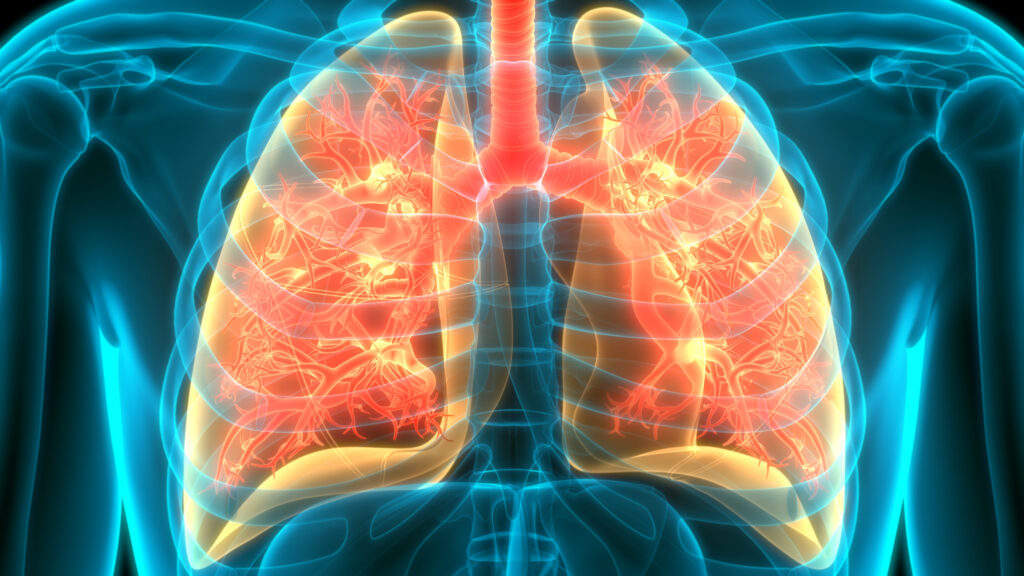

Alpha-1 Antitrypsin Deficiency (AATD) is a hereditary condition that increases the risk of serious lung and liver disease. It occurs when the body produces too little of a protective protein called Alpha-1 Antitrypsin (AAT). Without adequate AAT, lung tissue becomes more susceptible to inflammation and progressive damage, while abnormal protein can build up in the liver and impair its function.
Greater awareness of AATD, earlier diagnosis and participation in clinical research are vital to improving long-term outcomes for those affected.
What is Alpha-1 Antitrypsin Deficiency?
Alpha-1 Antitrypsin Deficiency is caused by mutations in the SERPINA1 gene, which provides the instructions for producing AAT. This protein plays a key role in regulating enzymes that are released during inflammation. When AAT levels are too low, these enzymes can injure the delicate air sacs in the lungs, gradually reducing respiratory function.
In some forms of AATD, the abnormal AAT protein cannot move efficiently from the liver to the bloodstream. This can result in inflammation, scarring or, in severe cases, liver failure. The condition is found worldwide and affects people from all ethnic backgrounds, though some genetic variants are more common in individuals of Northern European ancestry.
Alpha-1 Antitrypsin Deficiency Inheritance
AATD is inherited. Each person has two copies of the SERPINA1 gene, one from each parent. Several variants of this gene exist, but three are most commonly discussed:
- M: the typical variant associated with normal AAT levels
- S: produces moderately reduced AAT levels
- Z: produces very low AAT levels and is strongly associated with disease
A person’s combination of variants determines their AAT level and risk of developing symptoms. Examples include:
- MM: typical AAT levels
- MZ or MS: carriers with mildly reduced AAT; usually well, but with increased vulnerability if exposed to lung irritants
- SZ: AATD with a higher risk of respiratory disease and liver involvement
- ZZ: severe AAT deficiency, associated with significant lifelong risk
Because each gene copy contributes to overall AAT levels, AATD follows a codominant pattern of inheritance. People may have AATD even without any known family history, as previous generations may have been misdiagnosed with more common lung or liver conditions.
Symptoms of Alpha-1 Antitrypsin Deficiency
The symptoms of AATD differ widely between individuals. Some develop respiratory issues in early adulthood, while others first present with liver abnormalities. In some cases, many individuals remain symptom-free for years
Common respiratory symptoms include:
- Shortness of breath during physical activity
- Chronic cough
- Wheezing
- Frequent chest infections
- Reduced stamina or exercise tolerance
Signs of liver involvement may include:
- Yellowing of the skin or eyes
- Swelling of the abdomen or legs
- Persistent itching
- Fatigue
AATD can occasionally cause panniculitis, an inflammatory skin condition that leads to painful, tender nodules under the skin.
Alpha-1 Antitrypsin Deficiency Life Expectancy
Life expectancy in AATD varies depending on several factors, including genetic type, age at diagnosis, lifestyle exposures, and the severity of lung or liver involvement. Individuals diagnosed early, and particularly non-smokers, can expect a near-normal lifespan. Others may develop significant respiratory or hepatic complications that can affect long-term health.
Advances in respiratory care, liver disease management, and increased access to augmentation therapy (in countries where it is available) have improved outcomes over recent decades. Continued progress in clinical research offers further potential to enhance the quality of life and long-term prognosis.
Diagnosis of Alpha-1 Antitrypsin Deficiency
Early diagnosis is essential, as timely intervention can significantly slow disease progression. Testing may be recommended when individuals present with:
- COPD or emphysema at a younger age than expected
- Lung disease that appears disproportionate to smoking history
- Unexplained liver disease
- A family history of AATD or early-onset respiratory symptoms
Typical diagnostic steps include:
- Blood tests to measure AAT levels and assess liver function
- Genetic testing to identify SERPINA1 variants
- Lung function tests to assess airflow and capacity
- Chest imaging to evaluate structural changes in the lungs
- Liver imaging where abnormalities are suspected
How to Treat and Manage Alpha-1 Antitrypsin Deficiency
Management of AATD focuses on protecting lung and liver health. This may involve:
- Complete avoidance of smoking and second-hand smoke
- Minimising exposure to occupational or environmental irritants
- Staying up to date with influenza, pneumococcal, and hepatitis vaccinations
- Inhaled therapies where COPD-like symptoms are present
- Pulmonary rehabilitation to maintain fitness and quality of life
- Rapid treatment of chest infections
- Specialist monitoring for signs of liver disease
In selected individuals with severe deficiency and confirmed emphysema, augmentation therapy may help slow lung function decline. For advanced liver disease, transplantation remains the only treatment that can restore normal AAT production.
The Role of Clinical Research in Alpha-1 Antitrypsin Deficiency
While there is no cure for AATD, research is progressing rapidly. Current areas of investigation include:
- Novel therapies that prevent abnormal AAT from accumulating in the liver
- Improved approaches to augmentation therapy
- Gene therapy strategies are designed to replace or repair the faulty SERPINA1 gene
- Biomarkers and imaging tools to track disease progression more accurately
Because AATD varies widely in severity and often progresses gradually, clinical trials require thoughtful design, long-term monitoring, and collaboration across expert centres.
As a specialist rare disease CRO, Simbec-Orion partners with pharmaceutical and biotech organisations to design and deliver clinical trials in inherited and respiratory conditions. Our experience in respiratory therapeutics, biomarker-driven research and global rare disease studies supports sponsors in navigating regulatory, operational and ethical complexities while prioritising the needs of patients and families.
Raising Awareness and Supporting Progress
AATD remains under-recognised globally. Increasing understanding among healthcare professionals and the public helps to:
- Encourage testing in people with relevant symptoms
- Support family screening and genetic counselling
- Improve access to specialist multidisciplinary care
- Enable participation in clinical trials and registries
Collaboration between patients, advocacy groups, clinicians and research organisations plays an important role in improving outcomes and driving therapeutic innovation.
Alpha-1 Antitrypsin Deficiency Awareness Day
Alpha-1 Antitrypsin Deficiency Awareness Day is observed each year on 25 April to highlight the importance of early testing and diagnosis. The day brings together patients, clinicians and research partners to raise understanding of AATD, encourage family screening and promote access to specialist care.
It also provides an opportunity to share updates on current research and clinical trials, emphasising the need for continued investment in new therapies. By increasing awareness, the community aims to reduce underdiagnosis and improve outcomes for people living with AATD.
Frequently Asked Questions
What causes AATD?
Mutations in the SERPINA1 gene reduce the body’s ability to produce functional AAT, leaving the lungs more vulnerable to damage and allowing abnormal protein to build up in the liver.
What are the early warning signs of AATD?
Shortness of breath, persistent cough, wheezing, recurrent chest infections or unexplained liver abnormalities may suggest AATD, particularly in younger adults. However, you should speak to a health professional if you are concerned.
Is AATD the same as COPD?
AATD is a genetic disorder, whilst COPD is a broader condition with many causes. AATD can lead to COPD-like lung disease, but the underlying biological process that causes these damages is different.
How do clinical trials help?
Clinical trials evaluate new therapies and management approaches. They are essential for advancing treatment options, improving disease understanding and supporting innovation in AATD care.