Category: Uncategorized

  • Amyotrophic Lateral Sclerosis (ALS) Guide

    Amyotrophic Lateral Sclerosis (ALS) Guide

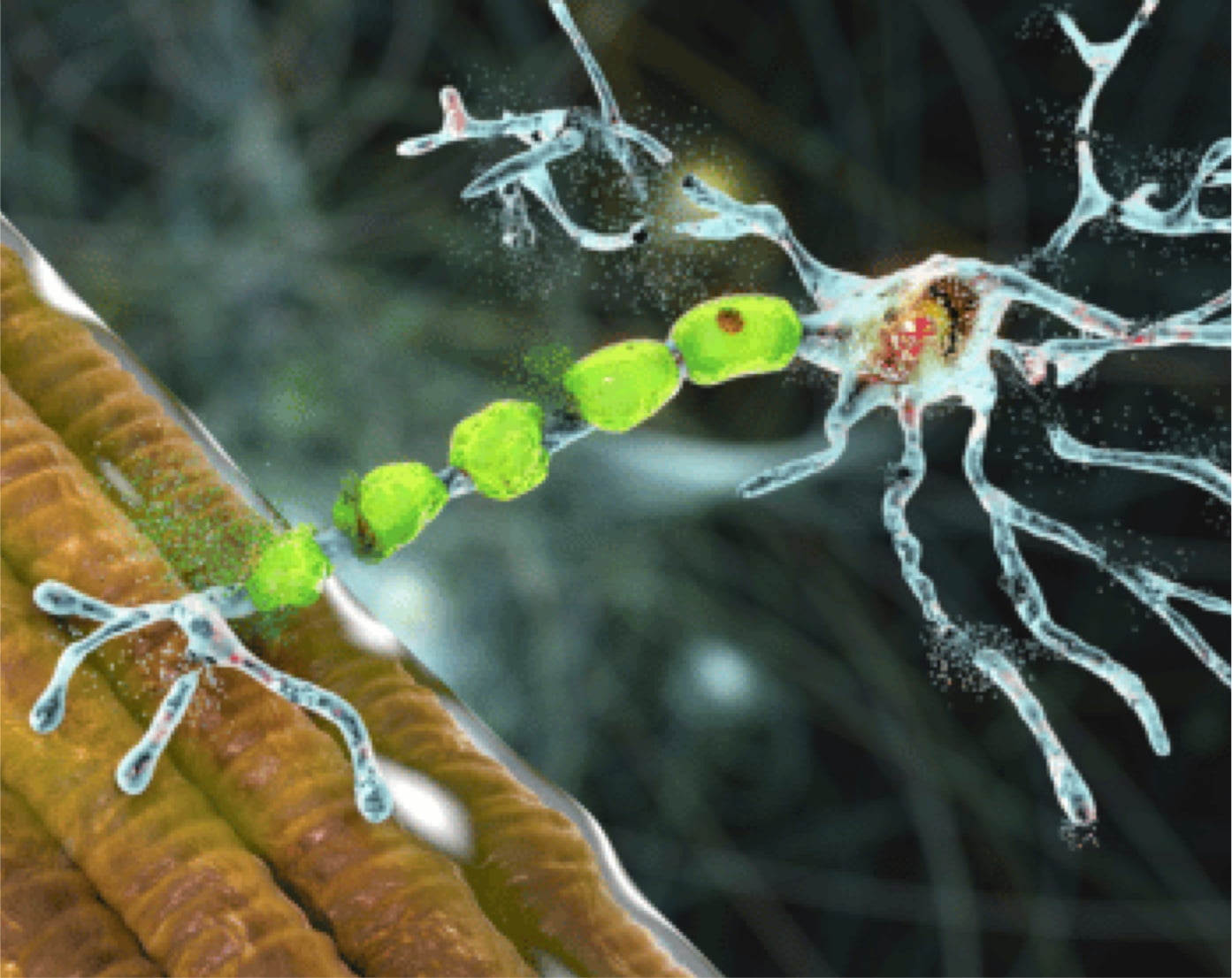
    Amyotrophic lateral sclerosis (ALS) is a progressive neurological condition that affects motor neurons in the brain and spinal cord. These nerve cells control voluntary muscle movement. As ALS progresses, motor neurons deteriorate and die, leading to increasing muscle weakness and loss of physical function. What Is ALS? Motor neurons transmit signals from the brain and…

  • Understanding Chordoma and the Role of Clinical Research

    Understanding Chordoma and the Role of Clinical Research

    Chordoma is a very rare cancer, diagnosed in only around one in a million people each year. It develops slowly, close to critical structures in the spine and skull base, meaning treatment can be complex and the path to diagnosis long. With limited therapeutic options and a high risk of recurrence, continued oncology-led clinical research…

  • New Clinical Research strengthens evidence for CAR T-cell treatment for blood cancer

    New Clinical Research strengthens evidence for CAR T-cell treatment for blood cancer

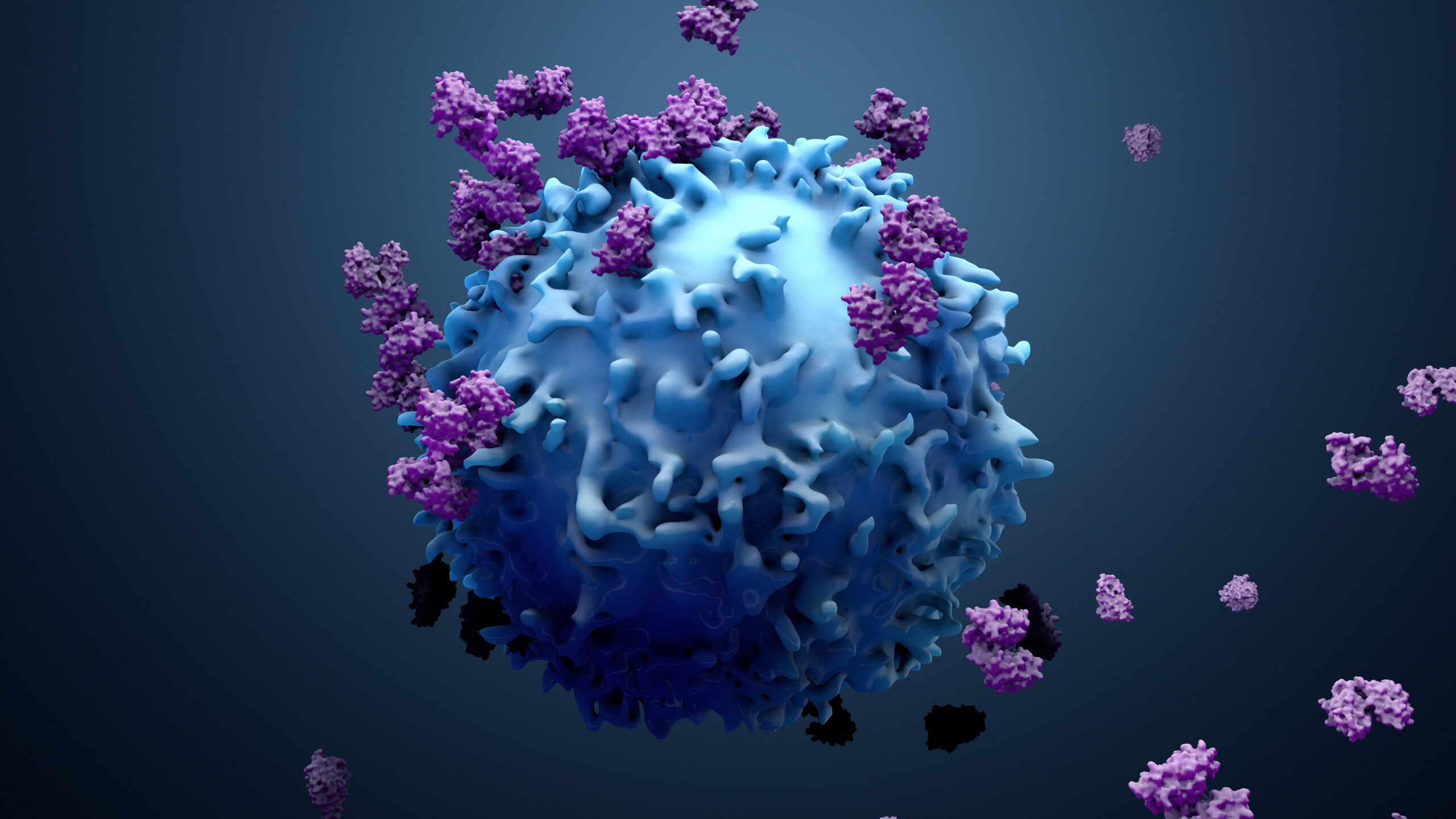
     A new study by scientists at University College London and Great Ormond Street Hospital has demonstrated promising results in the treatment of T-cell acute Lymphoblastic Leukaemia (T-ALL), a rare and aggressive blood cancer What the study reveals. This groundbreaking research introduces BE-CAR7, a world-first base-edited Chimeric antigen receptor (CAR) T-cell therapy used in humans. The…

  • Alpha-1 Antitrypsin Deficiency: The Importance of Earlier Diagnosis and Clinical Research

    Alpha-1 Antitrypsin Deficiency: The Importance of Earlier Diagnosis and Clinical Research

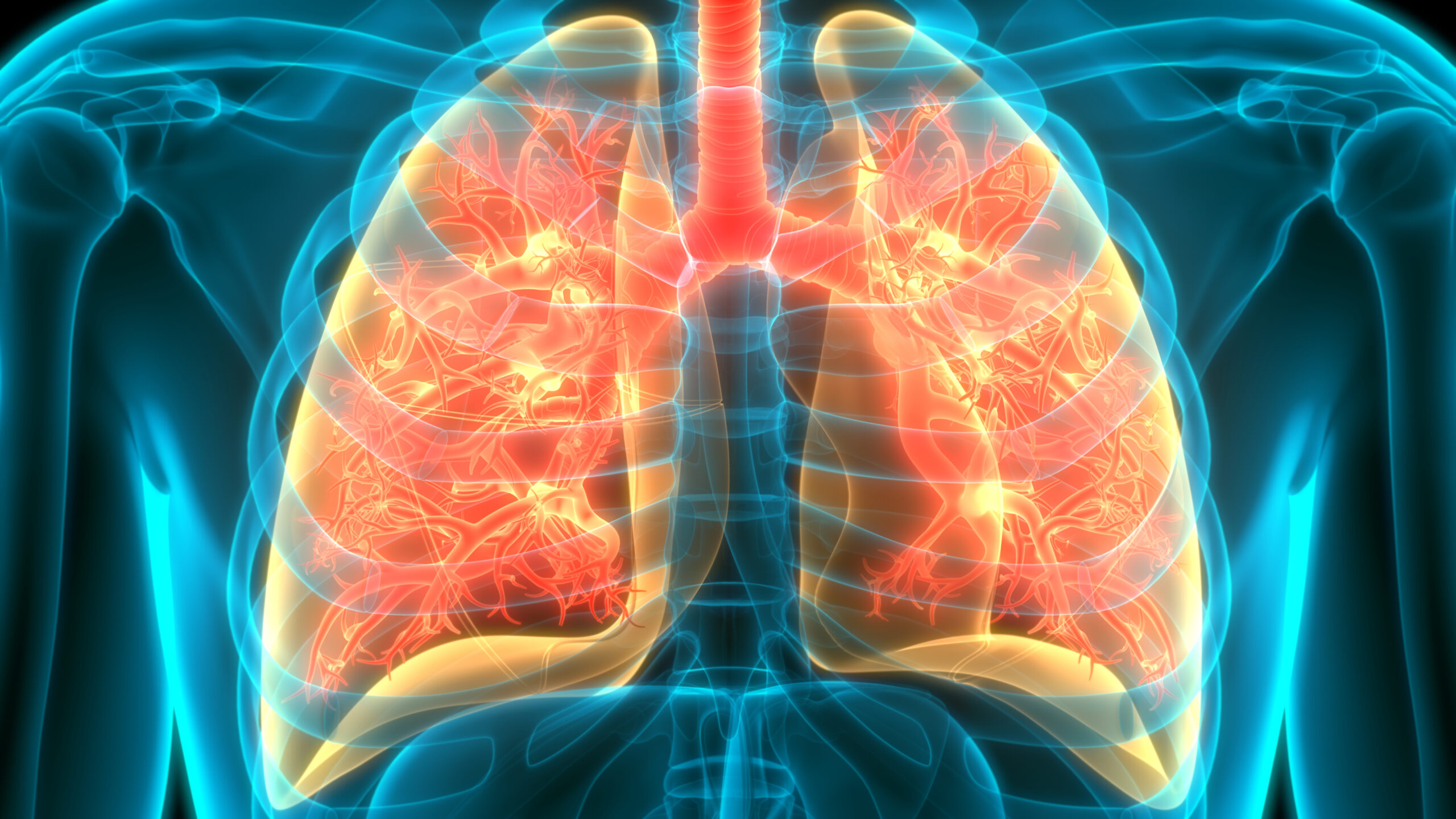
    Alpha-1 Antitrypsin Deficiency (AATD) is a hereditary condition that increases the risk of serious lung and liver disease. It occurs when the body produces too little of a protective protein called Alpha-1 Antitrypsin (AAT). Without adequate AAT, lung tissue becomes more susceptible to inflammation and progressive damage, while abnormal protein can build up in the…