Author: jacob

  • Primary Immunodeficiency: Symptoms, diagnoses and life expectancy 

    Primary Immunodeficiency: Symptoms, diagnoses and life expectancy 

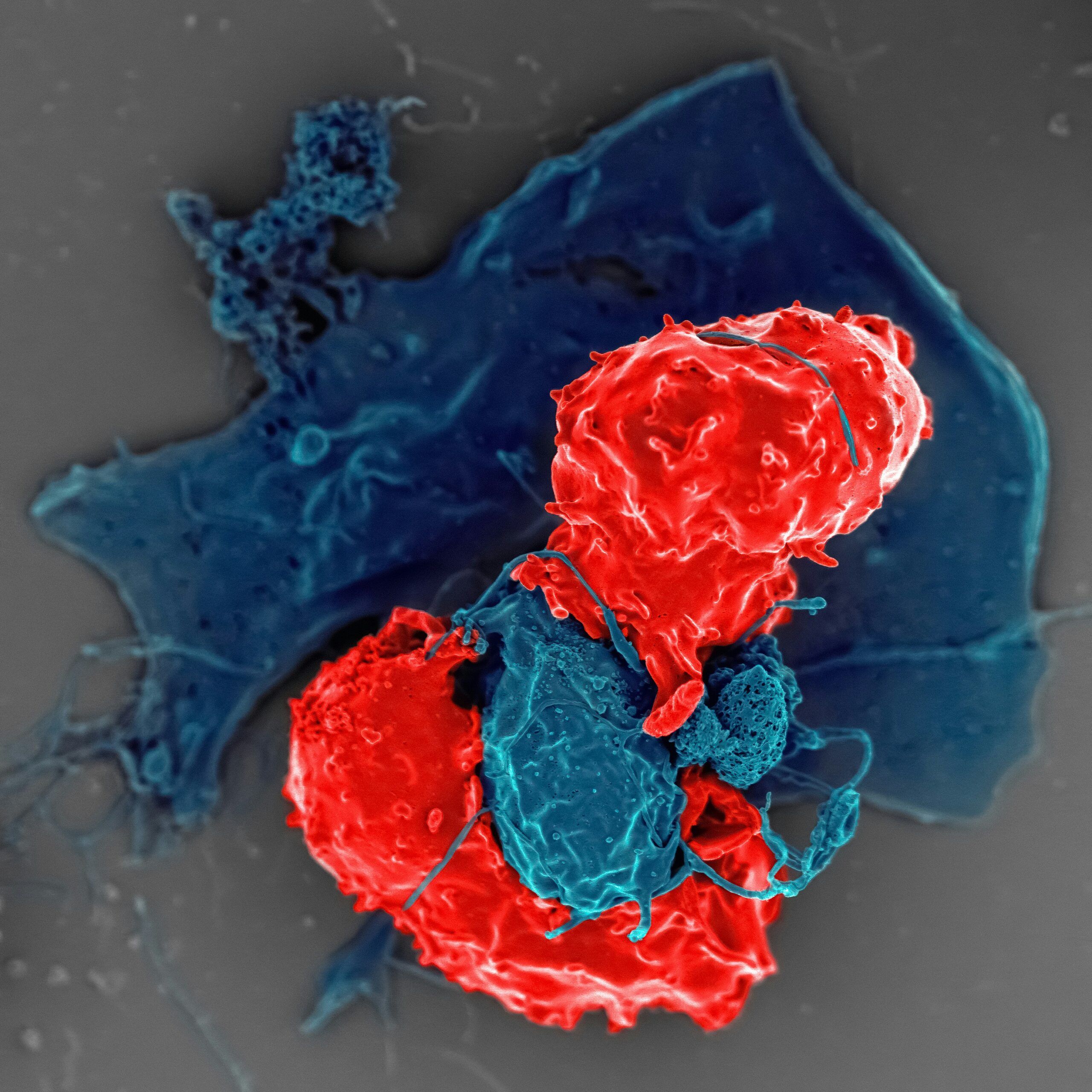
    What is a primary immunodeficiency? A primary immunodeficiency is an umbrella term for a group of conditions that hinder the body’s ability to fight infection. Sometimes referred to as a primary immune disorder, primary immunodeficiency is a group of over 550 chronic, inborn genetic conditions. Whilst in most circumstances they are genetically inherited, some symptoms…

  • Brain Tumours: Understanding Types, Symptoms and Research in Rare Oncology

    Brain Tumours: Understanding Types, Symptoms and Research in Rare Oncology

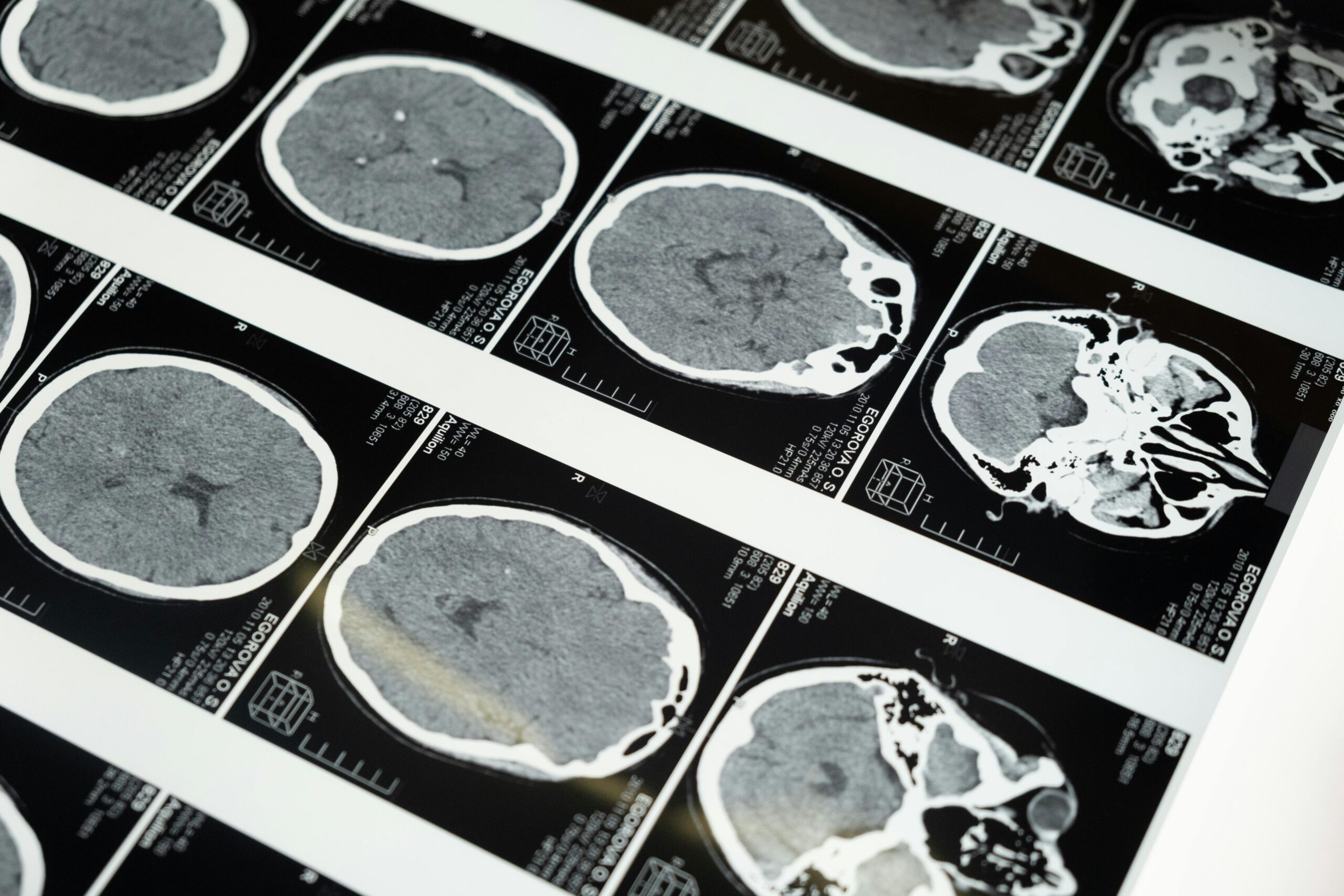
    Brain tumours present a significant challenge in oncology, particularly in their malignant forms, where treatment options remain limited and outcomes can be poor. Despite ongoing advances in research, there is still a critical need to improve how these conditions are identified, understood and treated. Recognising the symptoms of brain tumours and understanding the different types…

  • How Clinical Research Advances Rare Disease Treatment on Rare Disease Day 2026

    How Clinical Research Advances Rare Disease Treatment on Rare Disease Day 2026

    Rare Disease Day 2026, observed on 28 February, highlights the ongoing need to improve access to timely diagnosis, effective treatment, and appropriate care for people living with rare and ultra rare diseases. Marked annually on the last day of February, the campaign brings together patients, clinicians, researchers, and policymakers to address the systemic challenges that…

  • Stem Cell Therapy, Gene Therapy and Cell Therapy Clinical Trials: How They Work and Where the Challenges Lie

    Stem Cell Therapy, Gene Therapy and Cell Therapy Clinical Trials: How They Work and Where the Challenges Lie

    Stem cell therapy, cell therapy clinical trials and gene therapy are transforming how complex diseases are studied and treated. From regenerative medicine to gene therapy for cancer, these approaches aim to target disease at a cellular or genetic level rather than simply managing symptoms. We’ll explore how gene therapy works, the role of stem cell…

  • Expanding Clinical Trials for Rare Cancers: A Must for NHS 2035 Targets.

    Expanding Clinical Trials for Rare Cancers: A Must for NHS 2035 Targets.

    The National cancer plan 2026 sets out one of the most ambitious shifts in UK oncology policy in a generation. Its headline aim is clear: by 2035, three in four people diagnosed with cancer in England should be cancer-free or living well five years after diagnosis, compared with around 60% today. Achieving that target will…

  • Amyotrophic Lateral Sclerosis (ALS) Guide

    Amyotrophic Lateral Sclerosis (ALS) Guide

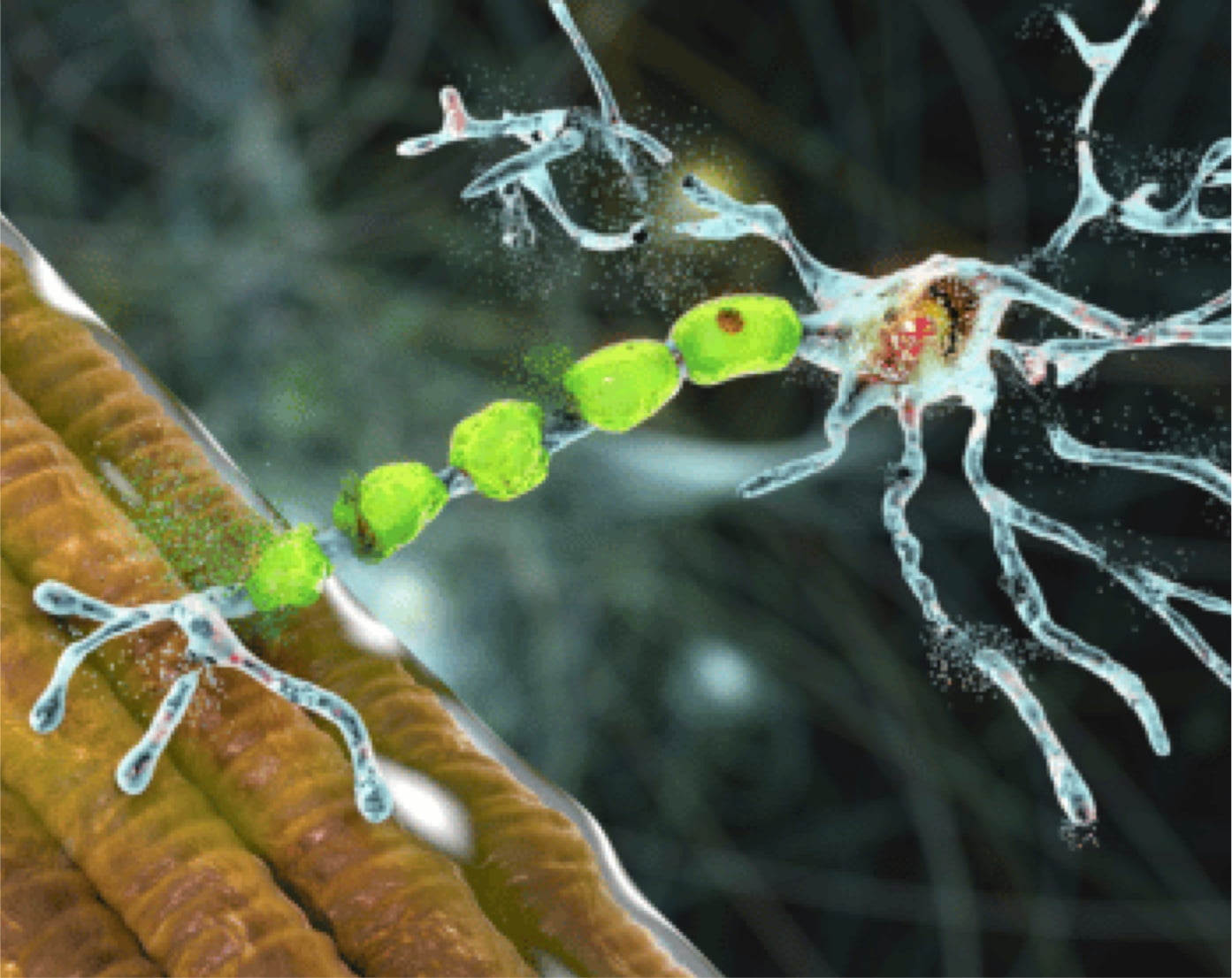
    Amyotrophic lateral sclerosis (ALS) is a progressive neurological condition that affects motor neurons in the brain and spinal cord. These nerve cells control voluntary muscle movement. As ALS progresses, motor neurons deteriorate and die, leading to increasing muscle weakness and loss of physical function. What Is ALS? Motor neurons transmit signals from the brain and…

  • What is World Cancer Day and Why Does Clinical Oncology Research Make a Difference?

    What is World Cancer Day and Why Does Clinical Oncology Research Make a Difference?

    World Cancer Day, observed each year on 4th February, is a global initiative focused on raising awareness of cancer and accelerating action across prevention, diagnosis, treatment and research. For organisations working in clinical research and drug development, the day is also an opportunity to reflect on the progress made, and the work still required to…

  • Understanding Chordoma and the Role of Clinical Research

    Understanding Chordoma and the Role of Clinical Research

    Chordoma is a very rare cancer, diagnosed in only around one in a million people each year. It develops slowly, close to critical structures in the spine and skull base, meaning treatment can be complex and the path to diagnosis long. With limited therapeutic options and a high risk of recurrence, continued oncology-led clinical research…

  • New Clinical Research strengthens evidence for CAR T-cell treatment for blood cancer

    New Clinical Research strengthens evidence for CAR T-cell treatment for blood cancer

     A new study by scientists at University College London and Great Ormond Street Hospital has demonstrated promising results in the treatment of T-cell acute Lymphoblastic Leukaemia (T-ALL), a rare and aggressive blood cancer What the study reveals. This groundbreaking research introduces BE-CAR7, a world-first base-edited Chimeric antigen receptor (CAR) T-cell therapy used in humans. The…

  • Alpha-1 Antitrypsin Deficiency: The Importance of Earlier Diagnosis and Clinical Research

    Alpha-1 Antitrypsin Deficiency: The Importance of Earlier Diagnosis and Clinical Research

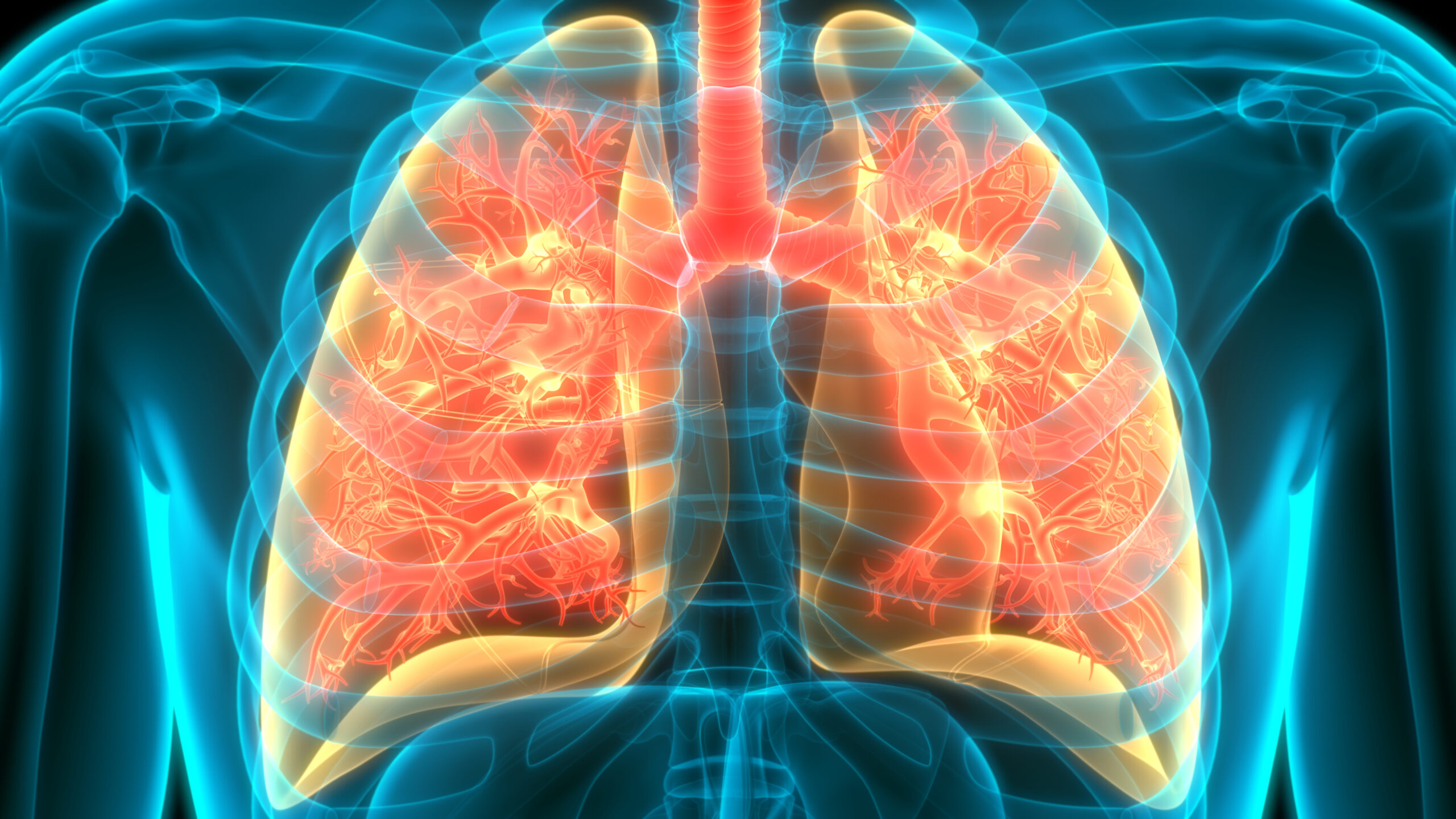
    Alpha-1 Antitrypsin Deficiency (AATD) is a hereditary condition that increases the risk of serious lung and liver disease. It occurs when the body produces too little of a protective protein called Alpha-1 Antitrypsin (AAT). Without adequate AAT, lung tissue becomes more susceptible to inflammation and progressive damage, while abnormal protein can build up in the…