












What is a primary immunodeficiency?
A primary immunodeficiency is an umbrella term for a group of conditions that hinder the body’s ability to fight infection. Sometimes referred to as a primary immune disorder, primary immunodeficiency is a group of over 550 chronic, inborn genetic conditions. Whilst in most circumstances they are genetically inherited, some symptoms can go undetected until adulthood.
Symptoms of primary immunodeficiency
A common symptom of primary immunodeficiency is repeated infections, which last longer and are harder to treat than those of an unaffected immune system. Someone with an immunodeficient disorder may also contract infections that someone with a typical immune system may not get; these are referred to as opportunistic infections.
Symptoms of an immunodeficiency include:
- Frequently suffering from pneumonia, bronchitis, meningitis, ear infections, skin or sinus infections
- Inflammation or infection of internal organs
- Anemia
- Digestive problems such as loss of appetite, nausea, and diarrhoea
- Stymied growth
- Autoimmune disorders Lupus, rheumatoid arthritis, or type 1 diabetes
What causes a primary immunodeficiency?
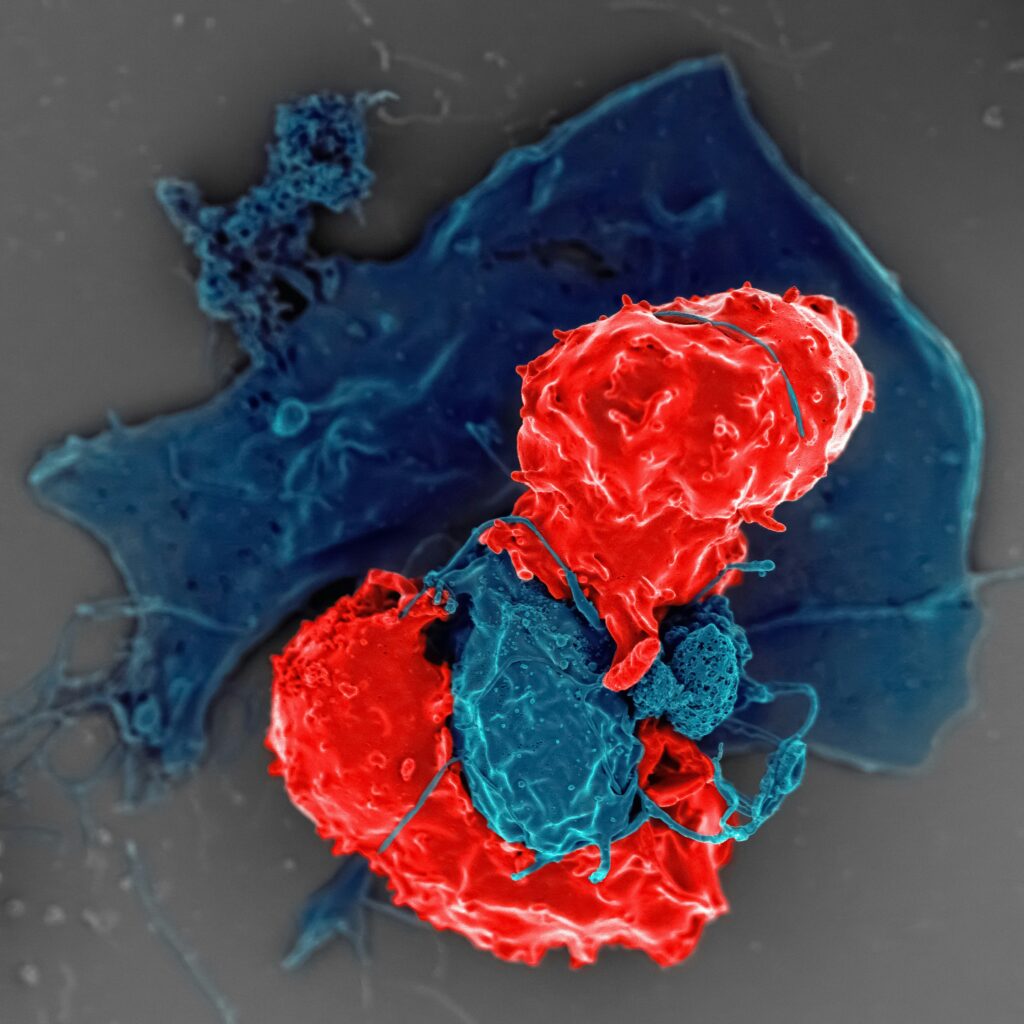
Primary immunodeficiencies are caused by hereditary genetic defects which impair the immune system’s ability to defend against infections. They are often inherited, passed down or arrive de novo, meaning in the beginning. These genetic defects often result in missing or dysfunctional immune components like B-cells, T-cells or neutrophils.
B-cell Deficiency
B- Cell Deficiency or humoral immune deficiencies occur when the body has insufficient B-cells or produces low levels of antibodies, leading to recurrent severe bacterial infections, particularly those in the respiratory tract, lungs and sinuses.
T-cell deficiency
Characterised by low T-cell counts or function, a deficiency results in heightened susceptibility to infections, particularly those which are viral or fungal, as well as increased cancer risk and autoimmune issues. Key symptoms associated with this include recurrent infections, diarrhoea, chronic thrush, and stunted growth in children.
H3: Combined deficiency
Sometimes a patient may have both T and B cell deficiencies, known as a combined deficiency. This is caused by rare genetic mutations affecting lymphocyte development. Severe cases include Wiskott-Aldrich Syndrome, Ataxia-telangiectasia and Severe Combined Immunodeficiency, referred to as SCID.
Defective Phagocytes:
Defective phagocytes are immune cells with an impaired ability to destroy pathogens due to genetic defects, acquired numerical neutropenia, or functional deficits. This can result in severe recurring bacterial and fungal infections, poor wound healing, abscesses, and inflammatory issues.
A complement deficiency
This deficiency occurs when one of the many complementing proteins is missing or malfunctioning. Healthy proteins help fight infection, clear damaged cells, and regulate immune responses, which is why deficiencies that impact these proteins can lead to infections, inflammation issues, and disorders such as hereditary angioedema, a rare autosomal dominant genetic disorder causing swelling in the face, limbs, airways, and gastrointestinal tract.
Idiopathic deficiency
This refers to a condition in which a specific nutrient, hormone, or biological component is limited, but the underlying cause is unknown. Examples include idiopathic growth hormone deficiency in children and adults, as well as blood disorders.
How does a primary immunodeficiency impact everyday life?
Living with a primary immunodeficiency can affect nearly every aspect of daily life. Many living with an immunodeficiency report constant infection-related disruptions, emotional strain, social limitations, and being hypervigilant to illness.
Life expectancy of primary immunodeficiency
Life expectancy in primary immunodeficiency varies widely depending on the specific disorder, the severity of the complications and access to early treatments. The most common type, common variable immunodeficiency, significantly reduces life expectancy compared to the general population; in a 473-patient cohort, the average at death was 46 years.
A more severe form of an immunodeficiency, such as Severe Combined Immunodeficiency (SCID), is fatal without early intervention in the first 1-2 years of life. Early stem cell transplantation, such as a stem cell transplant before the age of 3.5 months can dramatically improve survival, often restoring near normal life expectancy.
Complications impacting life expectancy include recurrent infections, respiratory failure from chronic lung disease and increased risk of malignancy.
Treatment for primary immunodeficiency
Treatment for primary innunodeficiencies focus om long term management, such as preventing infections, replacing missing antibodies in immunoglobulin (ig) therapy. This is usually administered intravenously (IVIG) every few weeks or subcutaneously under the skin weekly or bi-weekly. It is always best to discuss with your doctor the best treatment and day to day management for the primary immunodeficiency you have.
Antibiotic/Antimicrobial Prophylaxis:
Long-term antibiotics, antivirals, or antifungals are often used to reduce the frequency of recurring infections. These medications are prescribed and monitored by healthcare professionals, especially when infections occur often or pose significant risks.
Stem cell transplant
Having a stem cell transplant is a potentially curative treatment for severe primary immunodeficiency disorders in which defective immune cells are replaced using healthy cells from a donor. It is a standard treatment for infants with SCID and increasingly for adults with refractory PID. Reported survival rates are around 85-90%.
Day-to-day management
Living with an immunodeficiency often means following routines that help reduce exposure to infection and minimise the likelihood/frequency of flares. Daily management may include:
- Rigorous hygiene routines: Regular handwashing with warm soapy water for 20 seconds before eating and after using the bathroom. This also extends to thorough dental care with regular flossing and proper brushing.
- Avoiding crowds: Busy places and public transport can be hotspots of infection. Avoiding them where possible can reduce exposure.
- Nutrition: Maintaining a healthy diet can support your immune system
- Sleep: Ensuring a regular sleeping routine can aid recovery
- Exercise: Regular movement can improve lung function and strength
- Limiting exposure to stress: Practising yoga, meditation and hobbies can reduce stress
How are primary immunodeficiencies diagnosed?
Primary immune deficiencies are identified through a combination of medical histories, physical exams and lab tests. Key elements of the diagnostic process usually include:
Patient History:
Healthcare professionals review patterns, frequency and severity of infections. Identifying signs of immune deficiencies such as recurrent sinusitis, pneumonia, deep skin abscesses or persistent fungal infections, as well as associated symptoms such as stunted growth, unintentional weight loss, chronic diarrhoea, recurring arthritis and fevers.
Family History:
When assessing for an autoimmune deficiency, understanding a detailed family history is crucial. By understanding known immunodeficiency in close relatives, seeing if family members have similar symptoms or knowing if there are any early childhood deaths from infection. Parental consanguinity increases the likelihood of autosomal recessive disorders in offspring.
Blood Count:
Blood counts for Lymphocytes, Neutrophils, Eosinophils and Monocytes are compared to age-adjusted reference ranges. These ranges are essential since normal values vary significantly in infants and children.
The future of PI research
Clinical research studies on primary immunodeficiencies are moving toward highly individualised medical care. With advances in genetic screening, computational tools and targeted therapies are transforming how these rare diseases are diagnosed, studied and treated. Next-generation sequencing has been especially transformative, enabling faster and more affordable identification of pathogenic variants and helping researchers distinguish disease-causing mutations from benign genetic variation.
Newborn screening (NBS)
The expansion of T- cell and B-Cell assays has made newborn screening for Primary Immunodeficiency more accessible, particularly SCID. Using a dried blood spot collected shortly after birth. This is tested for T-Cell receptor excision circles (TRECs), which serve as markers for newly formed T-cells. Infants with low or absent TRECs can be identified before symptoms appear, allowing early intervention and dramatically improving outcomes. This early detection is now a globally recognised benchmark for preventing life-threatening infections in undiagnosed infants.
The use of AI in data
AI is reforming the way primary immunodeficiency clinical studies are conducted by leveraging machine learning and natural processing to analyse electronic health records and multiomics. Applying AI in clinical studies can allow for the shortening of diagnosis through early risk identification. AI usage allows for optimised clinical design and enables precise medicine.
Gene therapy and editing
Gene-based treatments are among the most promising advances in PI research.By utilising the patient’s own haematopoietic stem cells, genetic defects can be corrected. This offers a curative, autologous alternative to bone marrow transplants without graft versus host risks. Lentiviral vector gene therapies and CRISPR-based genome editing are becoming more refined to treat conditions such as SCID, ADA deficiency and WAS.
Targeted biologics:
Targeted therapies are transforming the management of immune dysregulation, autoimmunity and inflammation of PIs. Examples include JAK inhibitors for interferonopathies and mTOR inhibitors for lymphoproliferation. Introducing these therapies in future studies reduces the reliance on steroids and acts as a bridge to curative treatments such as HSCT, offering more precise modulation of immune pathways.
Conditioning for transplant:
Conditioning for a transplant aims to suppress the host’s immune system and create marrow space for donor cells. This involves the use of reduced intensity conditioning to minimise the toxicity. SCID may require minimal or no conditioning; other PIs require a tailored regimen to balance high engraftment rates against severe, long-term side effects.
Improved immunoglobulin therapy:
Immunoglobulin therapy focuses on enhancing patient quality of life, increasing convenience and reducing infection rates through personalised dosing. Advancements include the adoption of subcutaneous immunoglobulin, higher trough levels for better protection and improved manufacturing processes, which have reduced adverse reactions. Personalised dosing strategies based on pharmacokinetics and patient lifestyle. These improvements enhance the quality of life and reduce infection-related complications.
Challenges to PI Studies
As more PIs are discovered, researchers face the challenges of characterising and understanding each disorder in depth. Modern research is moving beyond infection susceptibility to explore how genetic defects contribute to autoimmunity, inflammation, lymphoproliferation and malignancy.
With improved survival into adulthood, especially for pediatric patients, there is an increasing need to develop structured transition facilities which support patients moving from pediatric to adult immunology services. Ensuring continuity of care is becoming a major focus for clinicians and researchers.
Clinical Trials On Primary Immunodeficiencies
Simbec-Orion supports clinical trials in primary immunodeficiencies by leveraging its rare disease expertise. As a full-service CRO with 50 years of experience running early-phase to late-phase studies, we support end-to-end clinical trial management. Previous clinical trials related to immunodeficiencies include our Phase 3 (SLE) programme, where we were selected as the CRO due to our extensive due diligence. Our rare disease focus has allowed us to establish networks of specialist investigators and tailor recruitment strategies for small populations.
Get in touch for more information about primary immunodeficiency clinical trials.
Frequently asked questions
What are examples of primary immunodeficiency?
There are several autoimmune diseases, with over 550 known cases. The most frequent include:
- Common Variable immunodeficiency
- Ataxia- telangiectasia
- Selective IgA Deficiency
- Severe combined immunodeficiency
Can primary immunodeficiency be cured?
Some immunodeficiencies can be cured, while others need long-term management. Stem cell transplantation (HSCT) is the only curative option for several severe PIs such as SCID, WAS and chronic granulomatous disease.
How common are primary immunodeficiencies?
Despite being individually rated, collectively, PIs are more common than once thought. Studies estimate that 1 in 1,000 to 1 in 2,00 people may have some form of primary immunodeficiency, with many remaining undiagnosed.